
In the modern digital workplace, sharing hardware across a network is no longer a luxury. It is a necessity. To build a flexible office, you need to move hardware signals over long distances. You must do this without losing speed. This is why learning to use a USB Redirector is so valuable for IT teams.
By using a USB Redirector, you can change any local device into a network resource. Therefore, it acts as if it were plugged into every computer at once. For the best results, many groups combine this software with a USBManager Server. A dedicated USBManager Server acts as the heart of your network.
Consequently, it provides the constant power needed for hard work. Together, a USB Redirector and a USBManager Server allow remote clients to reach tools from anywhere. As a result, this creates a smooth, shared space that helps everyone work better.
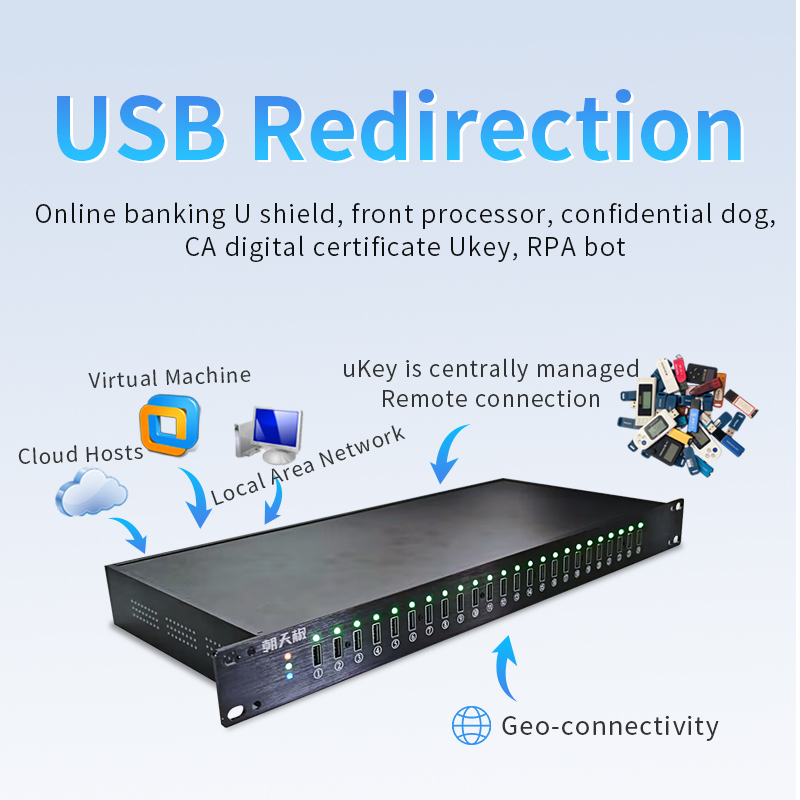
The Basic Logic of a USB Redirector Workspace
Creating a shared space starts with a new way to think about cables. Usually, a USB cable connects one device to just one computer. However, a USB Redirector changes this old rule.
Specifically, it uses USB over IP technology to send signals through your router. Because of this, the physical distance between the user and the tool no longer matters.
When you set up a USB Redirector, you are building a bridge. On one side, you have the “Server.” This is where the device is physically plugged in. Meanwhile, on the other side, you have the “Client.”
Once the USB Redirector makes a link, the computer’s Device Manager shows the hardware as a local tool. This means you can use scanners just as easily as if they were on your desk. Furthermore, the user experience feels very natural.
Building Your Hub with USBManager Server
You can run a USB Redirector on a standard PC. However, professional offices often need a stronger choice. This is where the USBManager Server comes into play.
A USBManager Server is a special Ethernet USB device server. It is designed to stay on all day and all night. In contrast, standard computers often have updates that cause them to restart.
If your host PC restarts, all your remote USB links will break. Naturally, this causes a lot of frustration for the team. By using a USBManager Server, you ensure that your hub is always ready.
These servers offer a steady power supply to every port. This is very important for big devices like hard drives. Additionally, a USBManager Server usually uses Gigabit Ethernet for high speeds.
When the USB Redirector moves data, the data transfer is smooth. Whether you use USB 2.0 or USB 3.0 hardware, this base is the key to a good hub.
Why Sharing USB Devices Helps Your Team
The most immediate benefit of a USB Redirector is saving money. In many offices, expensive tools are only used a few times. Instead of buying many, you can plug one into your USBManager Server.
- Resource Pooling: A USB Redirector lets you pool your tools. Therefore, one device can serve a whole department.
- Device Safety: You can keep hardware in a locked room. Users access tools via the USB Redirector without touching them.
- Remote Flexibility: For people working from home, this is a great help. It allows them to use office gear without driving to the building.
Managing Your USB Redirector Environment
As your hub grows, you must manage USB access with care. Fortunately, a high-quality USB Redirector provides a clear screen. It shows the status of every device.
For instance, you can see which tools are “free” or “busy.” This prevents two people from trying to use the same tool at once. If a team member needs a busy device, the USB Redirector makes it easy to chat with the current user.
Because the software uses the TCP IP protocol, these links are very stable. However, for the best speed, always use a wire. While a USB Redirector works over WiFi, a cable is much better. Thus, it ensures that data transfer stays fast for heavy USB 3.0 tasks.
Virtual Machines and the USB Redirector
Many modern companies use virtual machines for their work. One problem with a virtual machine (VM) is that it has no physical ports. A USB Redirector solves this problem easily.
Specifically, it “maps” the device from your office into the cloud space. By using a USB Redirector with a USBManager Server, you create a hybrid setup.
Your hardware stays in your office, but your virtual workers can use it. This is perfect for people who test software with USB dongles. Consequently, they can stay in their virtual desktop and still use real hardware.
Solving Common Problems in Your Shared Hub
Sometimes, you might have small issues when setting up your USB Redirector. Usually, these problems are simple to fix. Most of the time, it is about the network settings.
First, make sure your network lets the USB Redirector talk through the right ports. Second, it is a smart idea to give your USBManager Server a permanent IP address.
Finally, check your network speed if many people use the USB Redirector at once. If you follow these steps, your hub will run perfectly.
Conclusion: Success with Your USB Redirector Setup
In conclusion, creating a shared space with a USB Redirector is a smart move. It removes the physical limits of your gear. Also, it allows your team to work faster and save money.
By pairing the software with a USBManager Server, you build a professional hub. Whether you are sharing USB devices for a small group or a big office, the USB Redirector gives you control.
Stop letting short cables hold you back. Start building your shared hardware space today. Soon, you will enjoy the freedom of a truly connected office.
