
The world of healthcare is changing fast. Today, doctors need to use high-tech tools from far away. To make this work, a reliable USB Redirector is now a vital tool. This software lets medical experts connect to physical tools over a network. Consequently, it feels like the device is right in the doctor’s office.
For the best safety, many clinics now use a USBManager Server to host these devices. A dedicated USBManager Server keeps life-saving hardware online at all times. By using a USB Redirector with a professional server, hospitals can help more people. Specifically, this setup allows remote clients to use ultrasounds with no lag. As a result, the USB Redirector is building a safer future for medicine.
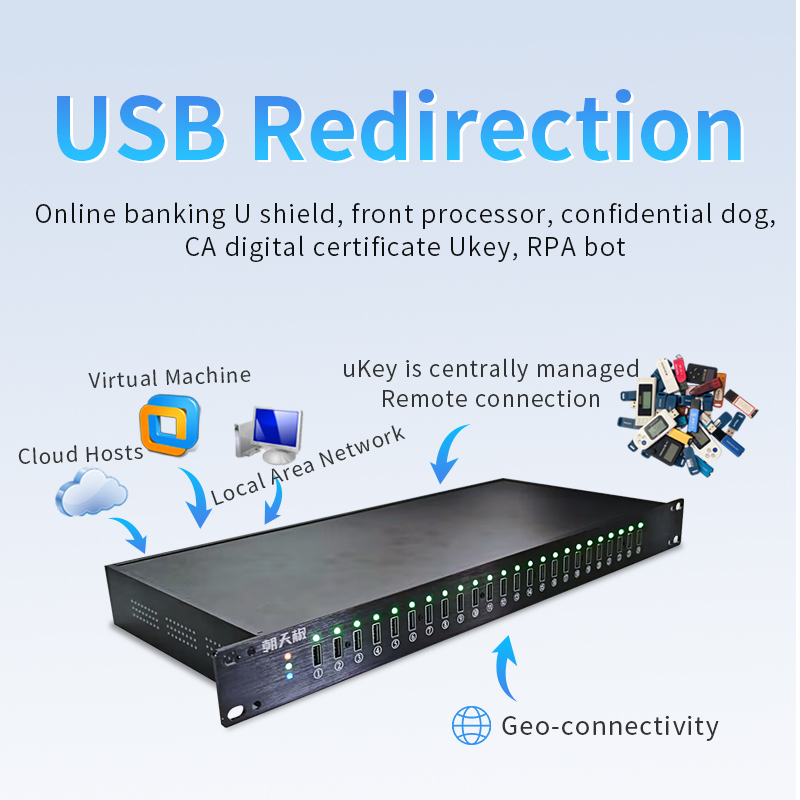
How USB Redirector Connects Doctors to Patients
In telemedicine, distance is a major hurdle. For example, a doctor in a city may need data from a patient in a far village. Usually, medical tools have very short cables. However, a USB Redirector removes this limit.
Specifically, the software uses USB over IP technology. It takes signals from a medical tool and sends them over a secure link. Because of this, a specialist can control a remote sensor from their own desk.
When you set up a USB Redirector, you build a digital bridge. On the patient’s side, the tool plugs into a “Server.” Meanwhile, on the doctor’s side, the “Client” software catches the signal.
Once the USB Redirector links them, the Device Manager sees the tool as local. Thus, doctors can use their usual software to read data. Furthermore, the process is very fast. This speed is vital for a quick diagnosis.
Enhancing Reliability with USBManager Server
Medical teams cannot have system crashes. For instance, a regular PC might restart for an update. If that happens during a check-up, it is a problem. This is why the USBManager Server is so important.
A USBManager Server is a special device built for health care. It is designed to run 24/7. In contrast to a PC, it only focuses on sharing hardware.
By using a USBManager Server, you ensure the remote USB link stays stable. These servers provide steady power to every port. This is key for tools like digital stethoscopes.
Additionally, a USBManager Server uses Gigabit Ethernet for speed. When the USB Redirector moves images, the data transfer stays smooth. Whether you use USB 2.0 or USB 3.0 tools, this base is essential.
Why Sharing Medical Devices Saves Lives
The use of a USB Redirector helps hospitals save money. Often, medical tools are very expensive. Not every small clinic can buy its own gear.
- Resource Sharing: A USB Redirector lets clinics share one set of tools. Therefore, one device in a main hospital can serve many sites.
- Data Security: You can keep hardware in a locked room with a USBManager Server. Doctors then access tools via the USB Redirector through safe lines.
- Quick Consults: For emergencies, this is a huge help. A specialist can use the USB Redirector to look at data right away. Consequently, they do not have to wait for the patient to travel.
Managing a USB Redirector Hub in Healthcare
As a hospital grows, it must manage USB access with care. Fortunately, a professional USB Redirector provides a clear screen. It shows which tools are free or busy.
For instance, an admin can see if a remote ultrasound is in use. This prevents two doctors from using one sensor at the same time. If a nurse needs to move a device, the USB Redirector makes it simple.
Because the software uses the TCP IP protocol, these links are very safe. However, always use a wired link for the USBManager Server. While a USB Redirector works on WiFi, a cable is much more stable. Thus, it ensures data transfer for medical videos stays fast.
Virtual Machines and the USB Redirector in Clinics
Many hospitals use virtual machines for patient records. One problem is that a virtual machine (VM) has no physical ports. A USB Redirector solves this easily.
Specifically, it maps the tool from the patient’s room into the cloud. By using a USB Redirector with a USBManager Server, you create a modern hub.
Your hardware stays with the patient. But, the doctor’s virtual desktop can use it. This is perfect for hospitals using cloud records. Consequently, the doctor can stay in their safe app and still use real hardware.
Solving Technical Challenges in Telemedicine
Sometimes, you might have small issues with a USB Redirector. Usually, these are easy to fix. Most of the time, the issue is the network.
First, make sure the firewall lets the USB Redirector talk through the right ports. Second, it is smart to give your USBManager Server a permanent IP address.
Finally, check your speed if many doctors use the USB Redirector at once. High-speed USB 3.0 tasks need a lot of space. If you follow these steps, your hub will run perfectly.
Conclusion: The Success of USB Redirector in Medicine
In conclusion, the USB Redirector is changing remote care. It removes the physical limits of medical gear. Also, it lets doctors save lives by acting faster.
By pairing the software with a USBManager Server, hospitals build a great system. Whether you are sharing USB devices for a small clinic or a large hospital, the USB Redirector gives you control.
Stop letting short cables limit your care. Start building your remote medical hub today. Soon, you will see the benefits of a truly connected healthcare world.
