
In the modern world of remote work, keeping a steady link to your hardware is a big challenge. To solve this, many IT experts use a high-quality USB Redirector to bridge the gap. This software lets you send USB signals over a network as if the device were plugged into your own PC.
However, software alone can struggle when the network is busy or unstable. This is where a USBManager Server becomes a vital part of your setup. A USBManager Server is a special hardware host. It is built to give the physical stability that a USB Redirector needs to work well.
By using a USB Redirector with a USBManager Server, you can separate your USB data from the rest of your office files. This mix prevents lag. It also ensures that your remote clients always have access to their tools. Ultimately, using a USB Redirector with a dedicated server is the most reliable way to handle hardware over IP.
The Science of USB Redirector Data Packets
A USB Redirector works by breaking down USB signals into small pieces. These pieces are called data packets. The software wraps these packets in network codes and sends them across the wire.
However, USB data is very sensitive to time. If a packet arrives too late, the device might stop working. This is why the network must be perfect for the USB Redirector software.
Specifically, the USB Redirector needs a path that is free from “noise.” If your office is downloading big files on the same line, the USB Redirector packets might get stuck. As a result, you might see errors like “Device Not Found.”
Once you see this, it is clear why a normal PC is not the best host. A standard PC shares its network card with many different apps. Moreover, the computer system might pause the network for a second to do an update.
A USB Redirector cannot handle these pauses. It needs a constant stream of data to keep the virtual hardware active.
How USBManager Server Optimizes Network Isolation
The biggest plus of a USBManager Server is its ability to isolate hardware traffic. Unlike a regular computer, a USBManager Server often has many network ports. This lets you put your USB Redirector traffic on its own private line.
By separating the data, you make sure that video calls do not slow down your USB Redirector stream.
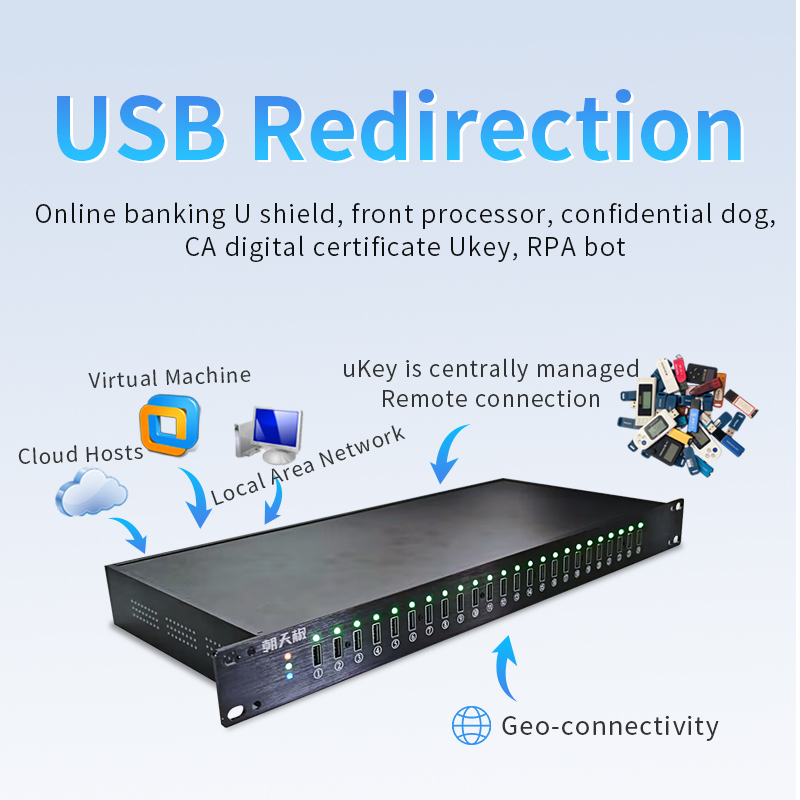
Therefore, a USBManager Server acts like a traffic cop. It uses its special network card to give priority to the USB Redirector. The hardware inside a USBManager Server is built to handle signals much faster than a standard PC.
For example, when a device sends a signal, the server handles it at once. This fast speed reduces “jitter,” which often ruins a USB Redirector session. Consequently, the remote computer gets the data in a smooth flow.
This is very important for devices that use a lot of data. Industrial cameras and high-speed scanners need this. Additionally, the USBManager Server hardware can handle thousands of packets every second. It does not get hot or slow down. This makes it the perfect base for any USB Redirector setup.
Key Benefits of USB Redirector Network Optimization
When you use a USB Redirector on a dedicated hardware path, you win. First, the link becomes steady. You can predict how it will work every single day.
- Lower Latency: Using a USBManager Server cuts the time it takes for a signal to travel to the USB Redirector client.
- No Packet Loss: The strong network card in a USBManager Server prevents data drops. This keeps your USB Redirector link healthy.
- Better Security: By keeping the USB Redirector on a separate network, you protect your devices from hackers.
Scaling Your USB Redirector Infrastructure
As your business adds more devices, the load on your network grows. Fortunately, a professional USB Redirector is built to grow with you. You can run the software across several USBManager Server units. This creates a group of hardware that your team can use from anywhere.
If you manage a large lab, you can use the USB Redirector screen to balance the work. You might put fast devices on one USBManager Server. You can put slower tools on another. This makes sure no single port gets too busy.
Because the system uses the TCP IP rules, adding more servers is easy. You just plug them into your switch.
However, you must remember that cable quality matters. To get the most from your USB Redirector, use Cat6 cables. This provides the “pipe” size needed for large data transfer.
Thus, a good network plan is just as important as the software. If you invest in the right hardware now, your USB Redirector will work well for years.
Solving Complex USB Redirector Challenges
In some offices, network traffic is hard to avoid. Specifically, if you work over long distances, lag is a natural enemy. A modern USB Redirector uses compression to help with this.
By using a USBManager Server, you give that compression a stable place to run. Another common problem is the “handshake” between the device and the PC. Some USB tools have a very short wait time.
Rather than failing, a USB Redirector paired with a USBManager Server can fix the timing. This trick keeps the link alive even if the network has a tiny hiccup. Consequently, you avoid “blue screen” errors or crashes. A professional USB Redirector setup is made to stay hidden from the user.
Conclusion
In conclusion, a USB Redirector is only as good as the network it uses. If you want professional stability, you cannot use basic office gear. By using a USBManager Server, you give your USB Redirector the network isolation it needs.
Whether you are sharing USB devices for a small team or a large plant, the USB Redirector is the right tool. Instead of fighting with drops and lag, move your hardware to a USBManager Server today. Soon, you will see that your hardware work is faster and safer.
