
Choosing a usb redirector is a major IT decision. Both software and hardware offer remote usb access today.
However, they work in completely different ways. A redirector relies on pure software. In contrast, a usb server uses a dedicated physical box. Therefore, this guide explores the key differences. Ultimately, we will help you find the best usb over ip tool for 2026.
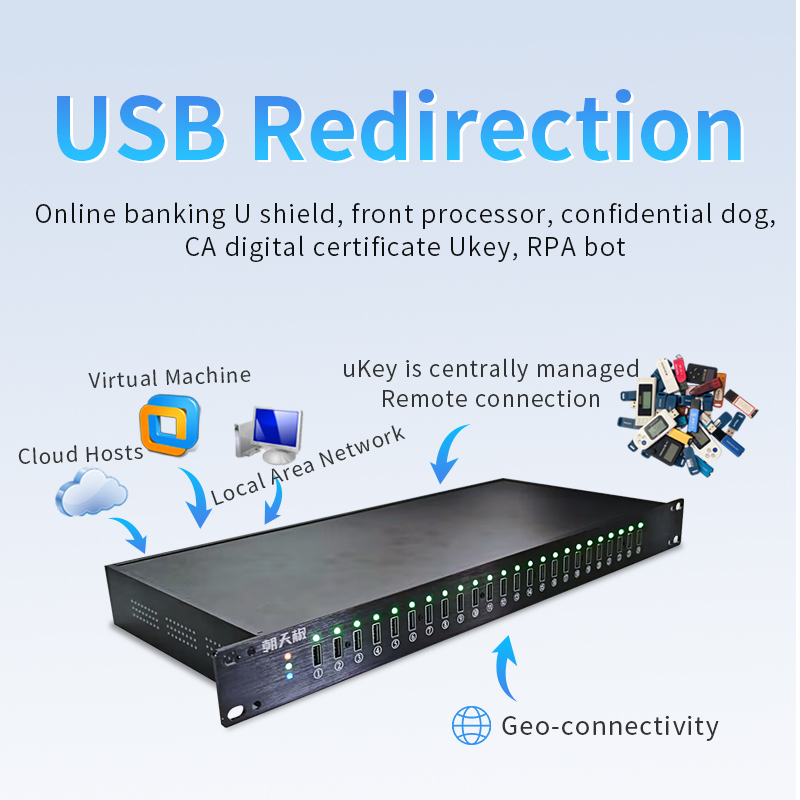
Software Redirector vs Dedicated Hardware
First, you must understand the basic setup. A usb redirector is simply a software program. You install it on a host computer. Then, the app shares that computer’s ports. Consequently, the whole system relies entirely on that single PC. If the machine sleeps, your connection dies instantly.
Conversely, a dedicated usb server is a physical device. It plugs straight into your network switch. Because it runs independently, it never needs a host PC. Furthermore, the hardware manages its own power directly. As a result, it keeps heavy devices connected smoothly all day.
Stability, Security, and TCO
IT teams must look beyond day-one prices. Specifically, stability separates these two choices completely. Pure software drops connections often under heavy loads. Meanwhile, hardware runs 24/7 without crashing.
Next, security matters greatly for business data. Software tools usually offer weak protection. Alternatively, enterprise hardware gives you strict access control. Admins can read detailed audit logs easily.
Finally, Total Cost of Ownership (TCO) favors hardware. Although a physical box costs more initially, it lasts for years. Thus, it offers a better long-term cost by preventing constant IT repairs.
Pros and Cons for Enterprise IT
You must weigh the tradeoffs carefully.
USB Redirector (Software)
- Pros: Generally, it is very cheap at first. Also, you can download it instantly.
- Cons: Unfortunately, it relies completely on a host PC. Moreover, it lacks physical power control.
USB Server (Hardware)
- Pros: First, it runs alone without a local computer. Additionally, it offers deep security and audit logs.
- Cons: Obviously, you must install a real box. Besides that, the upfront price is higher.
Best Use Cases for Business
Different teams need different network setups. For example, a small home office can use software. It shares a simple printer easily. Conversely, big companies demand strict rules and high uptime.
Specifically, banks must protect their financial UKeys. They lock a physical server inside a secure room. Furthermore, clinical labs share costly medical scanners over the network. Therefore, they need true 24/7 reliability. Indeed, remote global workers rely on hardware for stable access everywhere.
Why Choose USB Manager?
Stop struggling with software crashes. Instead, USB Manager gives you a superior hardware solution.
Initially, it frees you from host computers. The dedicated box runs 24/7 alone. Therefore, it delivers perfect network stability. Additionally, it provides amazing enterprise security. Specifically, admins get strict access control over every single port.
Furthermore, the central dashboard tracks everything perfectly. IT staff can read clear audit logs anytime. Ultimately, USB Manager provides a much better long-term cost. By stopping daily network drops, it saves your company money and time.
Final Recommendation
Picking the right network tool protects your workflow. Unfortunately, a pure usb redirector fails under heavy enterprise pressure. In contrast, a physical usb server guarantees maximum uptime. Ultimately, hardware protects your vital data with strong rules. Therefore, it remains the smartest investment for 2026.
Frequently Asked Questions (FAQ)
When is software enough?
A pure software tool works fine for small tasks. For instance, sharing a basic home printer is easy. Furthermore, it fits tight personal budgets perfectly.
When should I choose hardware?
You should pick hardware for serious business work. Specifically, companies need it for 24/7 uptime. Moreover, it provides vital access control and audit logs.
Do both tools give remote usb access?
Yes, they both send data over your network. However, hardware does it safely. Specifically, it works without relying on a fragile host PC.
