
In today’s digital world, many teams work from different places. This makes it hard to use physical hardware. However, USB Redirector provides a powerful solution to this problem. It allows users to access local USB devices from a remote computer. To get the most out of this tool, you should use it with a USBManager Server. This server helps you organize all your connections in one place. Specifically, it makes sharing hardware much easier for large teams. By using USB Redirector and the USBManager Server together, you can create a stable network. This combination ensures that your virtual team stays productive and connected.
Understanding the Basics of USB Redirector
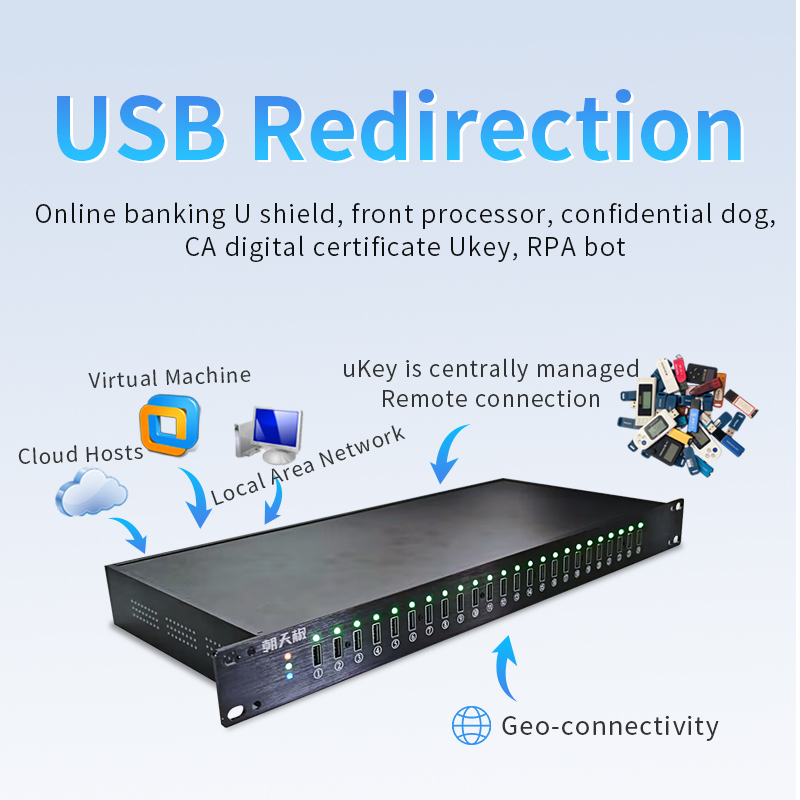
To get the best results, you must first understand how USB Redirector works. Most people use this software to bridge the gap between a physical port and a remote machine. Specifically, it uses a technology called USB over IP. First, it takes the data from a USB device. Next, it turns that data into small packets. Then, it sends these packets over a network using the TCP IP protocol.
Once the packets arrive at the remote computer, USB Redirector puts them back together. As a result, the remote system sees the device as if it were plugged into a local port. Because it works at a deep driver level, it supports almost any device. This includes old USB 2.0 tools and new USB 3.0 hardware. For this reason, it is perfect for people who use virtual machines. It allows these virtual systems to “see” real hardware without any lag.
Setting Up Your USBManager Server
When you have many devices, you need a way to manage them. This is where the USBManager Server comes in. It acts as a central hub for your entire network. First, you install the server software on a main computer. Next, you plug all your shared devices into that computer’s USB ports.
By using the USBManager Server, you can see every connected USB device in one list. In addition, you can give each device a name and decide who can use it. For example, you might have an expensive USB dongle for software licenses. You can lock this dongle so only one specific remote client can access it. Consequently, this prevents people from fighting over the same hardware. Furthermore, the USBManager Server tracks who is using each tool. This makes it a great device manager for IT departments.
Optimizing Data Transfer with USB Redirector
To ensure high performance, you should pay attention to your network speed. USB Redirector works best on gigabit Ethernet. This fast connection allows for smooth data transfer, even for high-speed devices. If you are sharing a webcam or a hard drive, a fast network is a must.
Another tip for best results is to check your power supply. Sometimes, a computer port does not give enough power to a USB hub. This can cause the connection to drop. To fix this, many pros use an Ethernet USB device server. This is a small box that plugs into the network. It has its own power source and dedicated USB ports. When you use this with USB Redirector, the connection stays very stable.
Furthermore, USB Redirector has an “auto-reconnect” feature. If the internet blinks, the software fixes the link for you. You do not have to do anything. In short, this is vital for long tasks where you cannot afford an error.
Security Benefits of the USBManager Server
Sharing hardware over the internet can be risky. You do not want hackers to see your private data. Fortunately, USB Redirector includes strong security features. It uses encryption to protect the data as it moves. This ensures that the link between your device and the USBManager Server is private.
In addition, you can set passwords for specific devices. For instance, you can put a password on a USB dongle. This adds an extra layer of safety. Because you can manage USB access from the server, you always know your hardware is safe. Indeed, this peace of mind is one reason why so many firms choose USB Redirector.
Best Practices for Sharing USB Devices
For the best experience, always keep your software updated. New versions of USB Redirector often include fixes for new hardware. Also, make sure your virtual machines have the right drivers. Even though the device is remote, the computer still needs the original driver to work.
If you have a large team, use the “device queuing” feature in the USBManager Server. This allows users to wait in line for a device. When one person finishes, the next person gets a notification. As a result, this makes sharing USB devices very efficient. It stops the “Is the dongle free?” emails that slow down work.
Conclusion: Success with USB Redirector
In conclusion, USB Redirector is the best tool for modern virtual teams. It removes the physical limits of your hardware. By using it with a USBManager Server, you get total control over your assets. You can share USB 2.0 and USB 3.0 devices with ease. You can also keep your data transfer safe and stable.
Whether you are a small team or a large firm, this technology is the answer. It turns your local USB ports into a global resource. Therefore, USB Redirector is the ultimate way to stay ahead in a digital world. Start using it today and see the results for yourself.
