
As the world moves toward cloud-based work, the way we use hardware is changing fast. USB Redirector is leading this change. It allows people to use physical devices in virtual spaces. Because of this technology, a local USB port is no longer tied to just one machine. Instead, users can share it across a network with ease.
To handle large groups of users, many companies now rely on a USBManager Server. This server acts as the central brain for all connections. It ensures that every remote client gets the right access at the right time. Together, USB Redirector and the USBManager Server are defining the future of digital connectivity. They make it simple for teams to work together, no matter where they are.
How USB Redirector Works
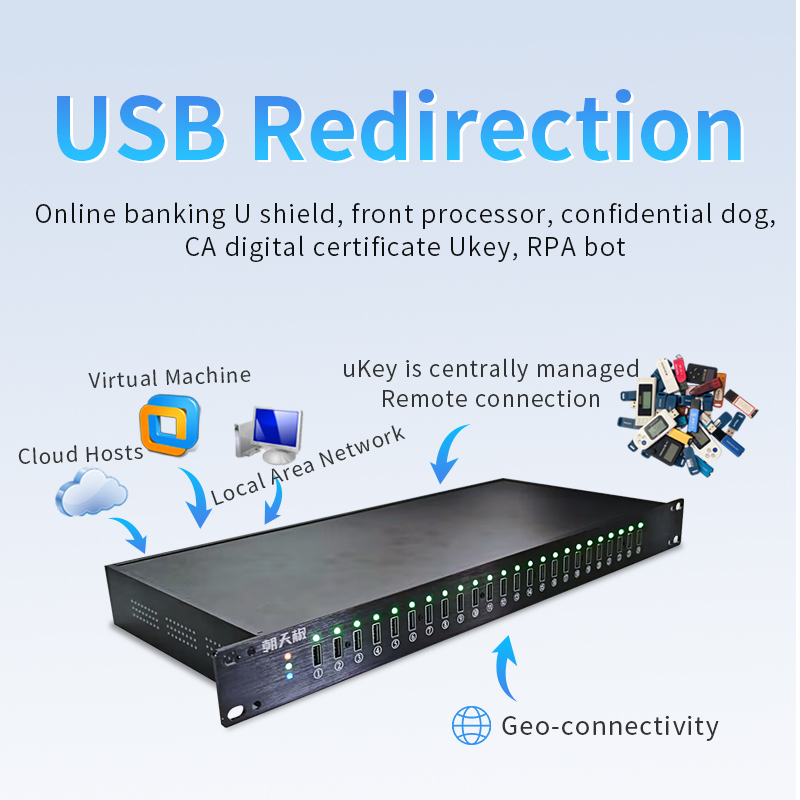
To understand the future, we must first look at how USB Redirector works today. In the past, you had to stand next to a USB drive or a printer to use it. However, USB Redirector removes this physical limit.
Specifically, it uses a process often called USB over IP. This means the software takes the data from your USB port and turns it into packets. After that, these packets travel over your network or the internet via the TCP IP protocol.
Once the data reaches the other side, the remote computer “unpacks” it. Consequently, the remote system thinks the device is plugged into a local port. Because USB Redirector works at such a deep level, it supports almost everything. For example, it works with old USB 2.0 tools and modern USB 3.0 hardware. Therefore, this technology helps anyone using virtual machines. It allows these virtual systems to “see” and use physical hardware perfectly.
Managing Large Networks with USBManager Server
In a small office, you might only need to share one or two devices. On the other hand, a large company might have hundreds. This is where the USBManager Server becomes essential. Without a central system, managing all those connections is a mess.
Fortunately, the USBManager Server solves this. It provides one place to manage USB access. Administrators use the USBManager Server to see every connected USB device on the network. They can create rules about who can use which tool.
For instance, they can lock a high-value security USB dongle to one specific user. Alternatively, they can make a shared scanner available to an entire department. In addition, the USBManager Server monitors the health of the connection. It checks the power supply of the devices. This central control makes USB Redirector a professional solution for big business.
Why USB Redirector Beats Standard Tools
Many people ask why they should choose USB Redirector over basic remote desktop tools. The answer is simple: performance and compatibility. Standard tools often struggle with complex hardware. For example, they might work for a keyboard. However, they often fail with devices that need fast data transfer.
USB Redirector is different. It is a dedicated tool built specifically for sharing USB devices. It can handle “isochronous” data for webcams or audio gear. Moreover, it works seamlessly with gigabit Ethernet. This high speed ensures that there is almost no lag. When a user interacts with a remote USB device, it feels instant. For this reason, USB Redirector is popular among pros.
Staying Secure with USB Redirector
When you send data over a network, security is a big worry. You do not want hackers to steal your private files or USB dongles. Fortunately, USB Redirector includes strong encryption features. It wraps the data in a protective layer before it leaves the computer. This ensures that the link to the USBManager Server is private.
Reliability is also a major focus. If the internet connection drops for a second, the software does not just quit. Instead, it tries to reconnect automatically. This is vital for long data transfer tasks. By using a hardware-based Ethernet USB device server, you can make the system even stronger. These servers provide stable USB ports and a dedicated power supply. As a result, this setup is more reliable than a standard USB hub.
The Future of Remote Teams
The future of USB Redirector looks very bright. More companies are moving to “Thin Client” setups. In these setups, the user has a very simple computer. All the real work happens on a powerful server far away. USB Redirector is the bridge that connects the user’s desk tools to that distant server.
We are also seeing a rise in specialized hardware sharing. For instance, medical teams use USB Redirector to share expensive tools across hospitals. Engineering firms use it to share high-speed controllers. The USBManager Server makes it easy to scale these operations. As network speeds get faster, the distance between the user and the hardware matters less and less.
Conclusion: The USB Redirector Revolution
In conclusion, the future of hardware is virtual. USB Redirector is the most powerful way to unlock the potential of your USB tools. It breaks the chains of physical distance. It allows for global collaboration. By using a USBManager Server, you gain the control and security needed to run a modern business.
Whether you protect expensive USB dongles or share devices with a team, this technology is the answer. It supports USB 2.0 and USB 3.0 with ease. It works perfectly with virtual machines and remote clients. Indeed, USB Redirector is the ultimate tool for the digital workspace. Start exploring its capabilities today to stay ahead.
