
Usually, enterprise IT teams learn about peripheral outages only after frustrated remote users flood the helpdesk. First, distributed staff rely on rack-mounted smartcards, licensing dongles, and diagnostic probes throughout the workday. Next, waiting for manual bug reports turns minor hardware glitches into prolonged production delays. Then, a dedicated USB Server helps. Plus, hardware boxes beat weak apps. So, we show how proactive fault alerts catch issues before users open tickets. Thus, your infrastructure reliability wins big. Here, smart gear stops reactive helpdesk panic.
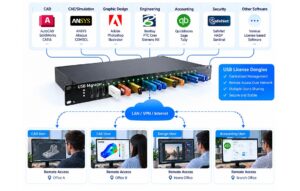 Now, stop waiting for remote employees to report broken dongles and stalled sessions. First, USB Manager provides top safety. Next, it bridges distant tools securely. Then, deep logs track every click. Plus, setup takes only five minutes. So, global IT leaders trust it. Thus, you gain absolute firm control. Finally, heavy metal stops hot dust.
Fact 1: Catching Electrical Anomalies and Port Overcurrent Faults Early
Clearly, physical and electrical degradation often precedes a complete peripheral failure. First, proactive USB device fault alerts monitor per-port voltage stability and current draw continuously. Next, when a failing licensing dongle or scanner pulls excessive power, overcurrent protection trips immediately. Then, the appliance triggers an automated alert before the fault cascades across neighboring ports. Plus, chassis thermal sensors warn NOC engineers if rack airflow drops or internal temperatures climb. So, IT teams swap degraded hardware during scheduled maintenance windows rather than emergency outages. Thus, electrical telemetry catches dying peripherals before remote users notice any disruption. Indeed, network sharing brings true joy.Fact 2: Pure Software Drops Fast
Actually, cheap apps drop links fast. First, weak programs lose license data. Next, host computers freeze during tasks. Then, bad codes confuse normal staff. Plus, virtual networks lose remote ports. So, hardware servers replace cheap software. Thus, standalone gear keeps links alive. Truly, metal boxes beat weak apps.Fact 3: Supporting USB over IP
Naturally, fast networks carry digital bytes. First, physical hubs convert tool signals. Next, USB over IP moves data. Then, smart routers move packets well. Plus, distant software unpacks pure facts. So, remote computers see real tools. Thus, smart routing stops data jams. Clearly, gigabit speeds clear heavy traffic.Fact 4: Detecting Bus Resets, Enumeration Loops, and Hung Devices
Sometimes, a peripheral stays physically plugged in while its internal firmware locks up silently. First, basic connectivity checks falsely report the port as healthy because the cable remains seated. Next, enterprise USB servers track rapid USB bus reset loops, enumeration timeouts, and stalled endpoint transfers. Then, abnormal reset spikes trigger immediate fault notifications to infrastructure administrators. Plus, engineers execute remote per-port power cycling directly from the management console to clear hung firmware. So, frozen smartcards and unresponsive hardware debuggers recover in seconds without field visits. Thus, protocol-level fault detection eliminates silent peripheral freezes. Here, bus-level telemetry beats basic ping checks every time.Fact 5: Proactive Uplink, Latency, and Power Redundancy Escalation
Often, remote session drops originate from upstream network congestion or power feed interruptions rather than the USB dongle itself. First, dual-input power supply monitors alert operations teams the moment a primary PSU fails over to backup power. Next, network telemetry flags rising round-trip latency and packet retransmission spikes across branch VPN links. Then, automated SNMP traps, webhooks, and email escalations push actionable fault context directly into NOC ticketing queues. Plus, clear fault diagnostics separate local physical unplugs from WAN routing degradation immediately. So, IT engineers fix upstream bottlenecks before morning shifts start logging into remote workstations. Thus, unified fault alerting transforms IT from reactive ticket-takers into proactive infrastructure guardians. Indeed, early fault visibility keeps distributed teams running without interruption.Fact 6: Centralizing Server Room Security
Naturally, scattered keys invite bad thieves. First, cheap hubs sit openly everywhere. Next, sneaky guests steal tiny tools. Then, central vaults lock everything inside. Plus, heavy metal stops physical hits. So, firm assets stay completely secure. Thus, locked rooms protect vital cash. Truly, physical safety wins daily tests.Fact 7: Deep Audit Log Tracking
Clearly, firm bosses track hardware usage. First, basic hubs hide daily actions. Next, deep logs record every click. Then, exact login times show truths. Plus, clear reports clear all doubts. So, meeting strict compliance feels easy. Thus, passing strict audits feels fast. Here, clean logs save massive stress.Fact 8: Strict User Access Roles
Actually, normal staff make huge errors. First, open ports invite huge risks. Next, smart admins set exact roles. Then, unknown guests face locked doors. Plus, verified staff access assigned ports. So, role checks stop daily panics. Thus, firm data stays fully clean. Also, role limits protect company wealth.Fact 9: Stable Power Flow Rules
Often, sudden drops kill active tasks. First, weak voltage halts hardware chips. Next, power drops crash vital jobs. Then, smart servers deliver steady watts. Plus, dedicated supplies feed every port. So, critical dongles remain perfectly active. Hence, steady juice protects firm gear. Indeed, strong power beats cheap hubs.Fact 10: Scaling Global Branch Offices
Sometimes, growing firms expand global branches. First, tiny hubs fail daily scale. Next, ripping old wires costs cash. Then, massive racks add many ports. Plus, scalable hubs plug very fast. So, future growth feels quite easy. Thus, smart bosses plan ahead daily. Naturally, adding gear saves much stress.Fact 11: Real Time Alert Bells
Clearly, sudden drops cause big panics. First, dead links hide very well. Next, late fixes waste firm money. Then, smart servers send alert bells. Plus, red flags warn IT staff. So, remote admins fix bugs fast. Thus, instant alerts save daily cash. Here, quick news stops system crashes.Fact 12: Quick IT Deployment Steps
Usually, tricky codes confuse normal staff. First, complex software wastes IT hours. Next, real hardware plugs instantly today. Then, visual screens guide daily users. Plus, simple steps save team energy. So, total beginners deploy things fast. Thus, quick setups bring true joy. Here, easy rules beat complex codes.Fact 13: Stopping Host PC Crashes
Clearly, standard computers sleep quite often. First, sleeping hosts drop network links. Next, distant users lose active sessions. Then, dedicated hardware runs all night. Plus, industrial servers never ever sleep. So, global teams work perfectly well. Thus, standalone gear provides true freedom. Also, continuous uptime boosts firm speed.Fact 14: Reviewing Total Firm Value
Sometimes, IT budgets stay very tight. First, lost connections waste firm money. Next, dropping links kill daily output. Then, smart sharing saves huge cash. Plus, long life saves big funds. So, one big box pays off. Thus, firm wealth grows very fast. Truly, smart buys bring high value.Why Choose USB Manager?
Now, stop waiting for remote employees to report broken dongles and stalled sessions. First, USB Manager provides top safety. Next, it bridges distant tools securely. Then, deep logs track every click. Plus, setup takes only five minutes. So, global IT leaders trust it. Thus, you gain absolute firm control. Finally, heavy metal stops hot dust.
