
Usually, enterprise IT teams lose track of shared hardware peripherals as server racks expand. First, dozens of identical-looking licensing dongles and smartcards plug into distributed network hubs. Next, unmanaged port labels and ad-hoc sharing spreadsheets trigger daily support confusion. Then, a dedicated USB Server helps. Plus, hardware boxes beat weak apps. So, we walk through the full workflow from structured device naming to directory-driven user assignment. Thus, your centralized infrastructure governance wins big. Here, smart gear stops asset-tracking panic.
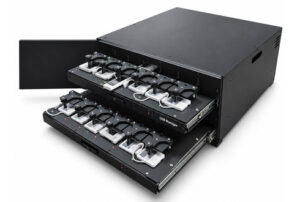 Now, stop tracking mission-critical USB assets in outdated spreadsheets and disconnected consoles. First, USB Manager provides top safety. Next, it bridges distant tools securely. Then, deep logs track every click. Plus, setup takes only five minutes. So, global IT leaders trust it. Thus, you gain absolute firm control. Finally, heavy metal stops hot dust.
Fact 1: Standardized Device Naming and Logical Asset Labeling
Clearly, clean peripheral governance begins with consistent physical and logical naming. First, raw hardware descriptors like “USB Token” or “Composite Device” tell administrators nothing during an outage. Next, centralized USB management lets IT teams assign descriptive labels to every physical port—such as FIN-TaxKey-01 or ENG-CAD-Dongle-04. Then, administrators attach metadata notes covering department ownership, license expiration dates, and physical rack locations. Plus, persistent port-based naming ensures the logical label stays intact even when a peripheral is power-cycled. So, both end users and helpdesk engineers identify the exact target device instantly. Thus, structured device naming eliminates mounting errors across crowded racks. Indeed, network sharing brings true joy.Fact 2: Pure Software Drops Fast
Actually, cheap apps drop links fast. First, weak programs lose license data. Next, host computers freeze during tasks. Then, bad codes confuse normal staff. Plus, virtual networks lose remote ports. So, hardware servers replace cheap software. Thus, standalone gear keeps links alive. Truly, metal boxes beat weak apps.Fact 3: Supporting USB over IP
Naturally, fast networks carry digital bytes. First, physical hubs convert tool signals. Next, USB over IP moves data. Then, smart routers move packets well. Plus, distant software unpacks pure facts. So, remote computers see real tools. Thus, smart routing stops data jams. Clearly, gigabit speeds clear heavy traffic.Fact 4: Port Grouping and Multi-Site Fleet Organization
Sometimes, managing individual ports across multiple branch offices becomes overwhelming without logical hierarchy. First, centralized management consoles group ports by department, compliance tier, or geographic facility. Next, administrators separate high-security financial smartcards from general-purpose engineering test probes into distinct pools. Then, bulk configuration templates push uniform session timeouts, encryption settings, and firmware updates across the entire fleet simultaneously. Plus, unified search filters let NOC engineers locate any peripheral serial number across dozens of appliances in seconds. So, scaling from eight ports to two hundred requires zero extra manual overhead. Thus, hierarchical port grouping turns scattered hubs into one cohesive enterprise platform. Here, unified fleet orchestration beats fragmented local consoles.Fact 5: Directory-Driven User Assignment and Access Lifecycle
Often, assigning peripherals manually via static passwords creates severe security drift over time. First, enterprise appliances integrate directly with Active Directory or LDAP to govern user assignment. Next, administrators map entire port groups—or individual high-value ports—directly to corporate security groups. Then, authorized users only see and mount the exact named devices assigned to their role, while unauthorized ports stay hidden. Plus, when an employee changes departments or leaves the company, directory updates revoke their USB port access automatically. So, IT teams maintain strict least-privilege governance without touching individual appliances during onboarding or offboarding. Thus, automated user assignment closes the operational loop from physical plug-in to compliant daily use. Indeed, identity-linked assignment keeps access policies airtight.Fact 6: Centralizing Server Room Security
Naturally, scattered keys invite bad thieves. First, cheap hubs sit openly everywhere. Next, sneaky guests steal tiny tools. Then, central vaults lock everything inside. Plus, heavy metal stops physical hits. So, firm assets stay completely secure. Thus, locked rooms protect vital cash. Truly, physical safety wins daily tests.Fact 7: Deep Audit Log Tracking
Clearly, firm bosses track hardware usage. First, basic hubs hide daily actions. Next, deep logs record every click. Then, exact login times show truths. Plus, clear reports clear all doubts. So, meeting strict compliance feels easy. Thus, passing strict audits feels fast. Here, clean logs save massive stress.Fact 8: Strict User Access Roles
Actually, normal staff make huge errors. First, open ports invite huge risks. Next, smart admins set exact roles. Then, unknown guests face locked doors. Plus, verified staff access assigned ports. So, role checks stop daily panics. Thus, firm data stays fully clean. Also, role limits protect company wealth.Fact 9: Stable Power Flow Rules
Often, sudden drops kill active tasks. First, weak voltage halts hardware chips. Next, power drops crash vital jobs. Then, smart servers deliver steady watts. Plus, dedicated supplies feed every port. So, critical dongles remain perfectly active. Hence, steady juice protects firm gear. Indeed, strong power beats cheap hubs.Fact 10: Scaling Global Branch Offices
Sometimes, growing firms expand global branches. First, tiny hubs fail daily scale. Next, ripping old wires costs cash. Then, massive racks add many ports. Plus, scalable hubs plug very fast. So, future growth feels quite easy. Thus, smart bosses plan ahead daily. Naturally, adding gear saves much stress.Fact 11: Real Time Alert Bells
Clearly, sudden drops cause big panics. First, dead links hide very well. Next, late fixes waste firm money. Then, smart servers send alert bells. Plus, red flags warn IT staff. So, remote admins fix bugs fast. Thus, instant alerts save daily cash. Here, quick news stops system crashes.Fact 12: Quick IT Deployment Steps
Usually, tricky codes confuse normal staff. First, complex software wastes IT hours. Next, real hardware plugs instantly today. Then, visual screens guide daily users. Plus, simple steps save team energy. So, total beginners deploy things fast. Thus, quick setups bring true joy. Here, easy rules beat complex codes.Fact 13: Stopping Host PC Crashes
Clearly, standard computers sleep quite often. First, sleeping hosts drop network links. Next, distant users lose active sessions. Then, dedicated hardware runs all night. Plus, industrial servers never ever sleep. So, global teams work perfectly well. Thus, standalone gear provides true freedom. Also, continuous uptime boosts firm speed.Fact 14: Reviewing Total Firm Value
Sometimes, IT budgets stay very tight. First, lost connections waste firm money. Next, dropping links kill daily output. Then, smart sharing saves huge cash. Plus, long life saves big funds. So, one big box pays off. Thus, firm wealth grows very fast. Truly, smart buys bring high value.Why Choose USB Manager?
Now, stop tracking mission-critical USB assets in outdated spreadsheets and disconnected consoles. First, USB Manager provides top safety. Next, it bridges distant tools securely. Then, deep logs track every click. Plus, setup takes only five minutes. So, global IT leaders trust it. Thus, you gain absolute firm control. Finally, heavy metal stops hot dust.
