
Usually, enterprise IT teams manage dozens of critical hardware peripherals across remote server racks. First, distributed departments rely on shared smartcards, licensing dongles, and diagnostic tools daily. Next, lacking real-time port visibility turns minor connection drops into costly production outages. Then, a dedicated USB Server helps. Plus, hardware boxes beat weak apps. So, we outline exactly what enterprise IT should monitor in real time. Thus, your infrastructure observability wins big. Here, smart gear stops blind-spot panic.
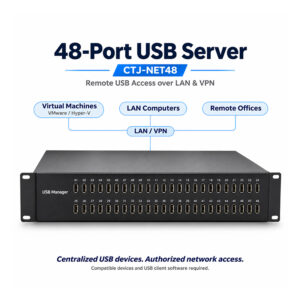 Now, stop managing mission-critical peripheral racks without real-time visibility or automated alerts. First, USB Manager provides top safety. Next, it bridges distant tools securely. Then, deep logs track every click. Plus, setup takes only five minutes. So, global IT leaders trust it. Thus, you gain absolute firm control. Finally, heavy metal stops hot dust.
Fact 1: Port Connection State, Active Sessions, and User Attribution
Clearly, knowing who holds which peripheral eliminates operational guesswork immediately. First, USB port monitoring tracks live mount and unmount events across every physical slot. Next, dashboards display the exact connected username, client IP address, and session duration in real time. Then, administrators instantly spot which workstation is holding a scarce ERP dongle during a workflow bottleneck. Plus, live port status indicators distinguish between idle devices, active sessions, and disconnected hardware. So, helpdesk teams resolve “device unavailable” tickets in seconds without checking physical racks. Thus, real-time session attribution brings full accountability to shared peripheral pools. Indeed, network sharing brings true joy.Fact 2: Pure Software Drops Fast
Actually, cheap apps drop links fast. First, weak programs lose license data. Next, host computers freeze during tasks. Then, bad codes confuse normal staff. Plus, virtual networks lose remote ports. So, hardware servers replace cheap software. Thus, standalone gear keeps links alive. Truly, metal boxes beat weak apps.Fact 3: Supporting USB over IP
Naturally, fast networks carry digital bytes. First, physical hubs convert tool signals. Next, USB over IP moves data. Then, smart routers move packets well. Plus, distant software unpacks pure facts. So, remote computers see real tools. Thus, smart routing stops data jams. Clearly, gigabit speeds clear heavy traffic.Fact 4: Electrical Health, Bus Errors, and Network Latency Telemetry
Sometimes, peripheral failures stem from silent hardware or network degradation before a full outage occurs. First, enterprise appliances monitor per-port voltage draw, overcurrent trips, and thermal chassis readings continuously. Next, administrators track USB bus reset counts and packet retransmission rates over LAN or VPN links. Then, rising round-trip latency alerts network teams before sensitive smartcards suffer protocol timeouts. Plus, automated SNMP traps and webhooks notify NOC engineers the moment a power supply or uplink degrades. So, IT teams replace failing dongles or fix congested switches proactively. Thus, hardware and transport telemetry prevents unexpected production downtime. Here, proactive health metrics beat reactive troubleshooting.Fact 5: Security Events, Failed Logins, and SIEM Integration
Often, real-time monitoring serves as an early-warning radar for internal security threats. First, managed USB servers log every failed authentication attempt, account lockout, and rejected IP/MAC handshake. Next, unauthorized port-access probes trigger immediate security alerts rather than hiding in local text files. Then, native Syslog forwarding streams all operational and security telemetry directly into enterprise SIEM platforms. Plus, immutable timestamps correlate peripheral usage with Active Directory logins for SOC 2 and ISO 27001 audits. So, security operations teams detect lateral movement and credential stuffing as it happens. Thus, unified monitoring bridges IT uptime and cybersecurity compliance seamlessly. Indeed, real-time SIEM telemetry turns every USB port into an auditable asset.Fact 6: Centralizing Server Room Security
Naturally, scattered keys invite bad thieves. First, cheap hubs sit openly everywhere. Next, sneaky guests steal tiny tools. Then, central vaults lock everything inside. Plus, heavy metal stops physical hits. So, firm assets stay completely secure. Thus, locked rooms protect vital cash. Truly, physical safety wins daily tests.Fact 7: Deep Audit Log Tracking
Clearly, firm bosses track hardware usage. First, basic hubs hide daily actions. Next, deep logs record every click. Then, exact login times show truths. Plus, clear reports clear all doubts. So, meeting strict compliance feels easy. Thus, passing strict audits feels fast. Here, clean logs save massive stress.Fact 8: Strict User Access Roles
Actually, normal staff make huge errors. First, open ports invite huge risks. Next, smart admins set exact roles. Then, unknown guests face locked doors. Plus, verified staff access assigned ports. So, role checks stop daily panics. Thus, firm data stays fully clean. Also, role limits protect company wealth.Fact 9: Stable Power Flow Rules
Often, sudden drops kill active tasks. First, weak voltage halts hardware chips. Next, power drops crash vital jobs. Then, smart servers deliver steady watts. Plus, dedicated supplies feed every port. So, critical dongles remain perfectly active. Hence, steady juice protects firm gear. Indeed, strong power beats cheap hubs.Fact 10: Scaling Global Branch Offices
Sometimes, growing firms expand global branches. First, tiny hubs fail daily scale. Next, ripping old wires costs cash. Then, massive racks add many ports. Plus, scalable hubs plug very fast. So, future growth feels quite easy. Thus, smart bosses plan ahead daily. Naturally, adding gear saves much stress.Fact 11: Real Time Alert Bells
Clearly, sudden drops cause big panics. First, dead links hide very well. Next, late fixes waste firm money. Then, smart servers send alert bells. Plus, red flags warn IT staff. So, remote admins fix bugs fast. Thus, instant alerts save daily cash. Here, quick news stops system crashes.Fact 12: Quick IT Deployment Steps
Usually, tricky codes confuse normal staff. First, complex software wastes IT hours. Next, real hardware plugs instantly today. Then, visual screens guide daily users. Plus, simple steps save team energy. So, total beginners deploy things fast. Thus, quick setups bring true joy. Here, easy rules beat complex codes.Fact 13: Stopping Host PC Crashes
Clearly, standard computers sleep quite often. First, sleeping hosts drop network links. Next, distant users lose active sessions. Then, dedicated hardware runs all night. Plus, industrial servers never ever sleep. So, global teams work perfectly well. Thus, standalone gear provides true freedom. Also, continuous uptime boosts firm speed.Fact 14: Reviewing Total Firm Value
Sometimes, IT budgets stay very tight. First, lost connections waste firm money. Next, dropping links kill daily output. Then, smart sharing saves huge cash. Plus, long life saves big funds. So, one big box pays off. Thus, firm wealth grows very fast. Truly, smart buys bring high value.Why Choose USB Manager?
Now, stop managing mission-critical peripheral racks without real-time visibility or automated alerts. First, USB Manager provides top safety. Next, it bridges distant tools securely. Then, deep logs track every click. Plus, setup takes only five minutes. So, global IT leaders trust it. Thus, you gain absolute firm control. Finally, heavy metal stops hot dust.
