
Today, buyers ask big questions. First, can simple hubs work? Next, a usb hub with ethernet looks good. Then, picking gear feels quite hard. Thus, we share true network facts. Soon, you learn real device limits. Here, market truths help your firm.
Myth 1: They Do the Same Thing
Often, people think both tools match. First, a basic usb hub shares ports. Next, it sits on your desk. Then, home users plug mice inside. Plus, cheap plastic feels very light. So, normal tasks finish quite fast. But, heavy tasks crash basic tools. Indeed, basic hubs lack deep power.
Fact 1: True Network Power Differs
Conversely, real servers bring huge scale. First, a usb server runs alone. Next, metal boxes hold many keys. Then, network links bridge remote teams. Plus, distant staff work very fast. So, global firms share tools safely. Thus, standalone gear beats desk hubs. Here, true power runs all day.
Myth 2: Ethernet Hubs Mean Servers
Sometimes, buyers buy wrong network parts. First, a usb hub with ethernet adds web. Next, it gives your PC access. But, it needs a host computer. Then, the host PC crashes fast. Plus, sudden drops kill active links. So, local hubs trap your data. Hence, true network sharing fails here.
Fact 2: Host Limits vs Freedom
Actually, host limits ruin big jobs. First, PC reboots drop firm tests. Next, cheap hubs rely on hosts. Instead, smart servers skip host limits. Then, physical boxes manage data flow. Plus, central brains handle huge traffic. So, your network stays perfectly stable. Thus, standalone freedom wins daily tests.
The Major Power Drop Problem
Usually, big tools need pure juice. First, basic hubs share weak power. Next, many tools drain small hubs. Then, sudden power drops kill jobs. But, real servers manage power well. Plus, twin power plugs stop panics. So, active links stay very strong. Hence, heavy factory tools run well.
The Need for True Scale
Naturally, growing firms add many tools. First, desk hubs limit port counts. Next, messy wires cover office desks. Then, smart hardware scales up perfectly. Plus, massive racks hold forty ports. So, IT bosses manage huge rooms. Thus, firm scaling works quite fast. Truly, big networks demand big racks.
Deep Security and Audit Rules
Clearly, firm safety demands deep rules. First, desk hubs grant open access. Next, anyone copies massive private files. But, smart servers block bad users. Then, strict roles lock specific ports. Plus, deep logs track every click. So, security teams pass strict audits. Hence, smart rules stop inside threats.
Surviving Harsh Daily Rooms
Often, factories hold huge hot dust. First, cheap plastic melts very fast. Next, dirty air ruins weak hubs. Then, heavy metal boxes block dirt. Plus, cold air flows extremely well. So, parts stay safe all year. Thus, industrial shells protect firm cash. Here, strong gear survives harsh spots.
Handling Heavy Data Traffic
Sometimes, huge files jam slow lines. First, cheap hubs choke heavy data. Next, remote workers face big lag. But, top servers speed things up. Also, fast networks keep teams happy. So, buy gear with high speed. Hence, daily output grows very fast. Truly, fast parts bring true joy.
When Is a Hub Actually Enough?
Actually, simple needs match simple tools. First, home desks need mouse plugs. Next, basic printers run quite fine. Then, cheap hubs save home cash. Plus, tiny teams share basic drives. So, casual users buy small hubs. Thus, simple desk tasks succeed here.
Why Big Firms Need Servers
However, huge firms run big tests. First, clinic labs need true uptime. Next, chip tests demand pure links. Then, digital signs lock secure keys. Plus, smart boxes run these tasks. So, real servers fit strict rules. Thus, vital work flows stay clean.
Hidden Costs Over Time
Naturally, tight budgets restrict IT buyers. First, cheap hubs look very nice. Next, dropped links waste IT hours. Then, fixing bugs drains firm cash. Instead, smart hardware stops costly drops. Plus, long life saves big funds. So, one big box pays off. Hence, true value beats cheap tags.
Why Choose USB Manager?
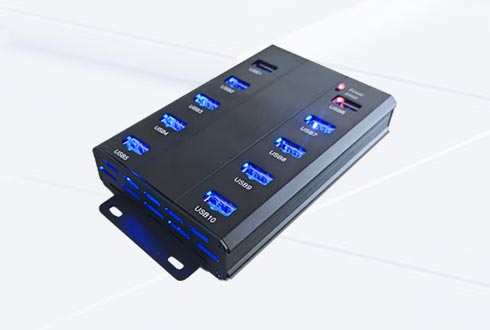
Now, stop guessing your network needs. First, USB Manager provides top safety. Next, it bridges distant offices safely. Then, heavy metal stops fast wear. Plus, setup takes only five minutes. So, global IT leaders trust it. Thus, you gain total firm control.
Best Final Pick
Overall, market facts guide smart buyers. Sadly, false myths cause huge pain. But, clear truths fix bad plans. Thus, your team wins big time. So, pick real servers for work. Then, smooth tasks bring true joy. Finally, upgrade your office gear today.
Frequently Asked Questions (FAQ)
When is a hub enough?
First, basic hubs fit home desks. Next, simple mice need basic ports. Then, single users run tiny tasks. Thus, home offices use cheap hubs.
Can ethernet hubs share tools globally?
Never. First, they just give web access. Next, they need local host computers. Then, host crashes drop distant links. So, true servers share globally.
Do real servers run alone?
Yes. First, metal boxes skip host limits. Next, smart chips manage heavy data. Then, tasks run all day long. Thus, standalone hardware brings true joy.
